Open vs. Covered: Which Transport Solution is Right for Your Vehicle?
When it comes to transporting a vehicle, the choice often boils down to a simple question: are you moving a tool, or are you moving a treasure? For high-net-worth individuals and automotive collectors, a vehicle is rarely just a mode of transport. It is a high-stakes investment, a piece of engineering art, or a cherished piece of history.
Choosing between open and covered transport is the first step in preserving that value. While open transport is the industry standard for daily drivers, it falls short of the "white-glove" standards required for luxury, vintage, and performance marques.
The "Three Threats" of the Open Road
The moment a vehicle is loaded onto an open trailer, it becomes vulnerable to environmental factors that are entirely outside of the driver’s control. We categorise these risks as the Three Threats:
- Weather and Elements: From the corrosive effects of road salt in the winter to the relentless UV rays of the summer sun, the British climate is not kind to automotive finishes. For vintage cars with original nitrocellulose paint or modern supercars with delicate carbon fiber accents, exposure to the elements can cause accelerated wear and oxidation.
- Road Debris: Even on the best-maintained motorways, stones, grit, and tire rubber are constantly kicked up by traffic. At 60 mph, a small stone becomes a high-velocity projectile capable of causing unsightly "road rash," deep paint chips, or even cracked windscreens. Covered transport acts as a physical shield, ensuring your car arrives in the exact condition it left.
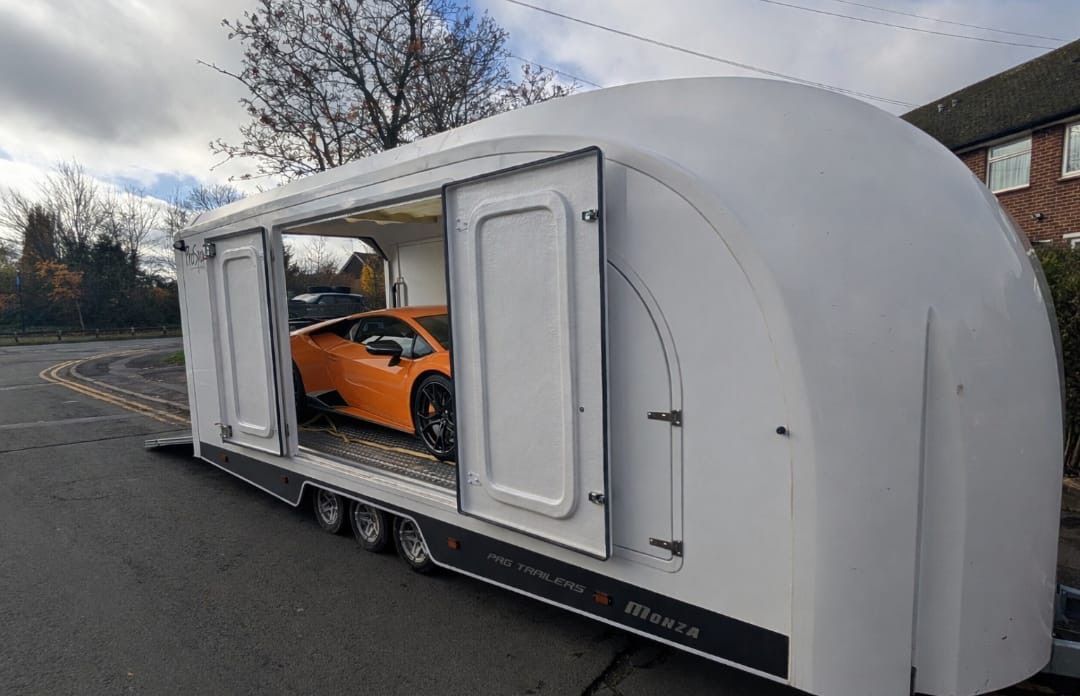
- Prying Eyes: Security is often the most overlooked benefit of covered transport. A six-figure supercar or a rare classic on an open trailer is an advertisement to everyone on the road. Covered transport offers a "mobile vault" experience, providing total anonymity and protecting your privacy—and your asset—from opportunistic theft or unwanted attention.
Precision Engineering for Low-Clearance Vehicles
The logistical challenge of transporting high-end vehicles often starts before the engine even turns off. Vintage racers and modern hypercars are designed for aerodynamics and centre of gravity, meaning they often sit mere centimetres off the ground.
Standard transport trailers are rarely equipped to handle such low ground clearance. Using traditional ramps often results in expensive damage to front splitters, oil pans, or side skirts. At UK Covered Car Transport, we utilise specialised hydraulic tilting beds and extended low-clearance ramps. This ensures that even the lowest vehicle can be winched or driven aboard with millimetric precision, eliminating any risk of underbody contact.
The Peace of Mind of 15+ Years of Expertise
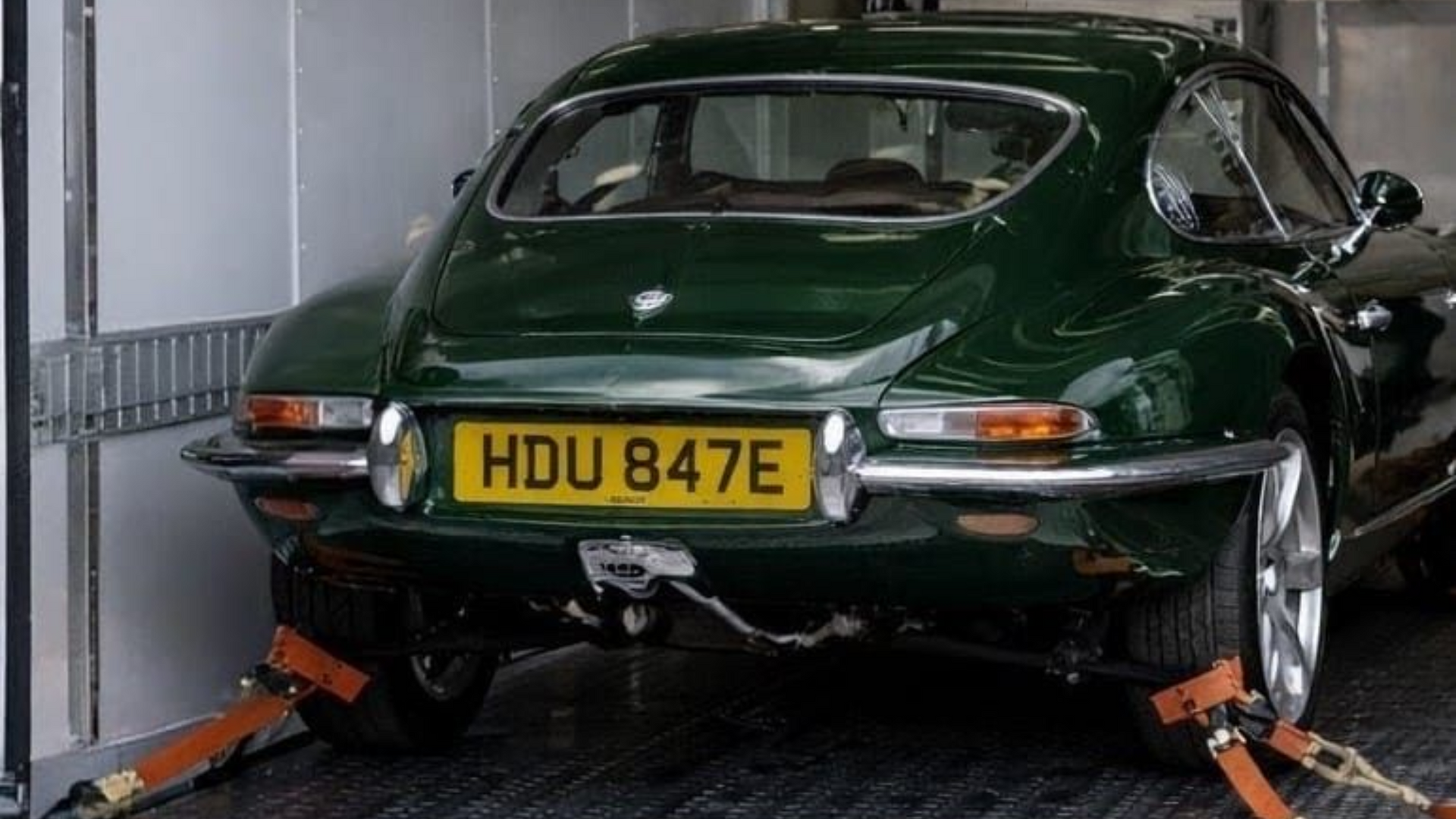
True "white-glove" service isn't just about the equipment; it’s about the hands operating it. There is an intangible value in 15+ years of expertise—the knowledge of how to safely strap a vehicle without stressing its suspension, or how to navigate a tight mews in London without incident.
When you choose a specialist, you aren't just paying for a tow; you are investing in a comprehensive insurance policy and a legacy of trust. Our team understands the mechanical nuances of everything from pre-war Bentleys to the latest electric hypercars. We provide full, high-limit insurance coverage as standard, ensuring that your financial interests are as protected as the vehicle itself.
Conclusion: Making the Right Choice
In the world of high-value car collecting, the cost of a mistake far outweighs the cost of premium service. Open transport may be a logistical solution, but covered transport is a preservation strategy. By eliminating the threats of weather, debris, and visibility, and utilising the best loading technology in the industry, we ensure your vehicle remains a pristine asset.
Protect your investment—get a bespoke quote for covered transport today.